Location
Mount Vernon, WA 98274

Location
Mount Vernon, WA 98274
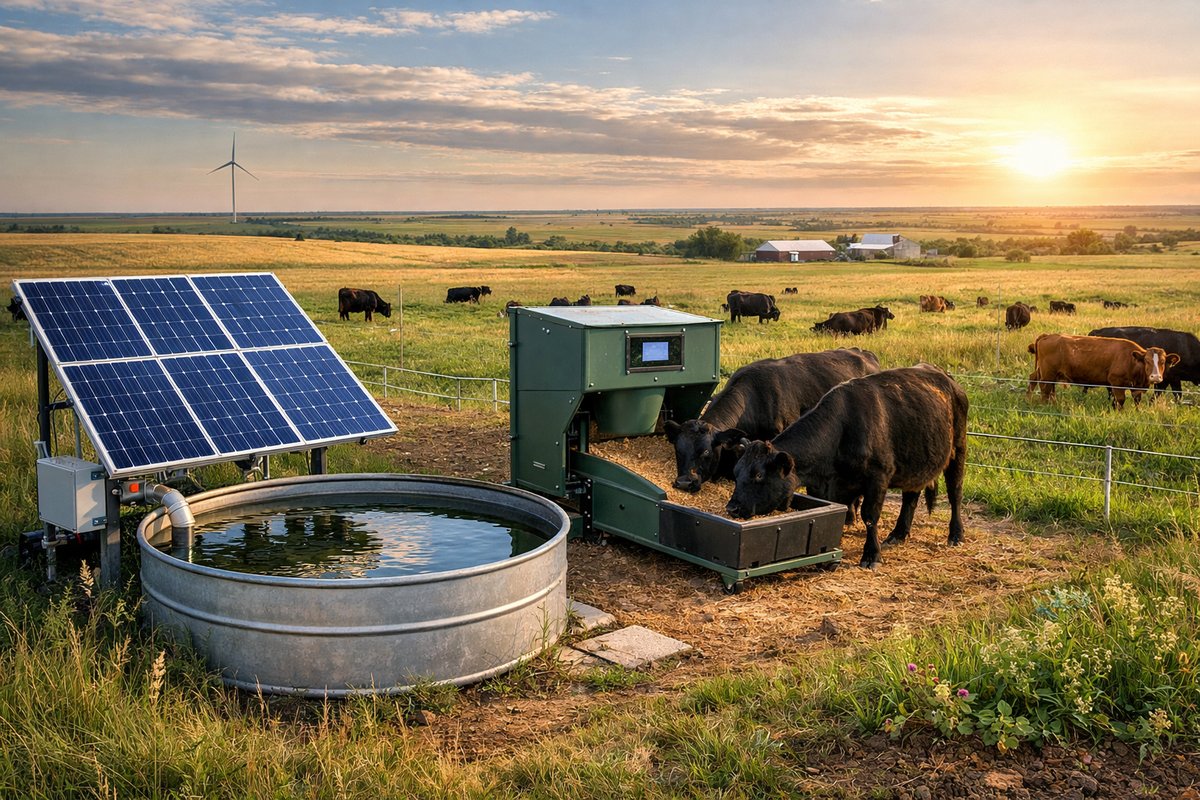
A rural cooperative in the Great Plains is piloting an integrated livestock management model combining solar-powered water systems, sensor-enabled feeders, and regenerative grazing strategies. Early results show boosted soil health, reduced input costs, and stronger herd welfare. Experts say this modular approach could set a blueprint for farm operations worldwide.
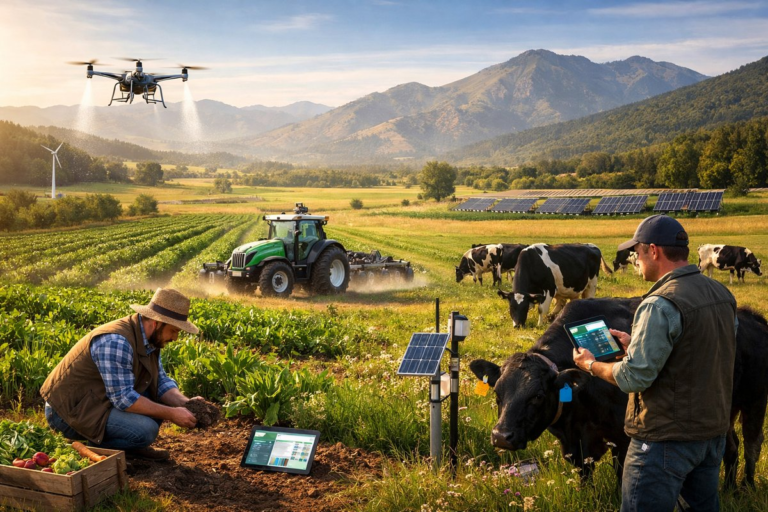
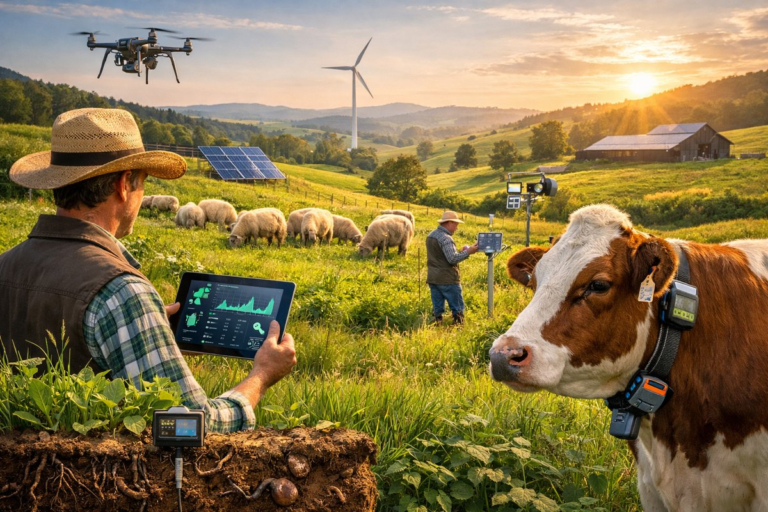
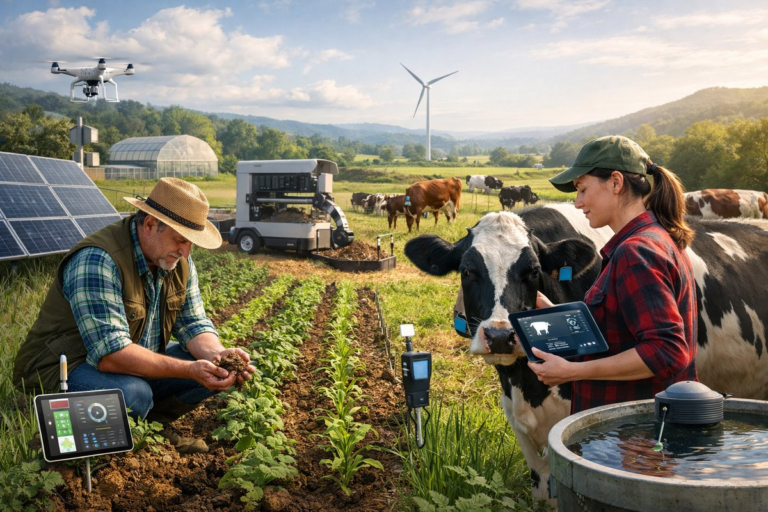
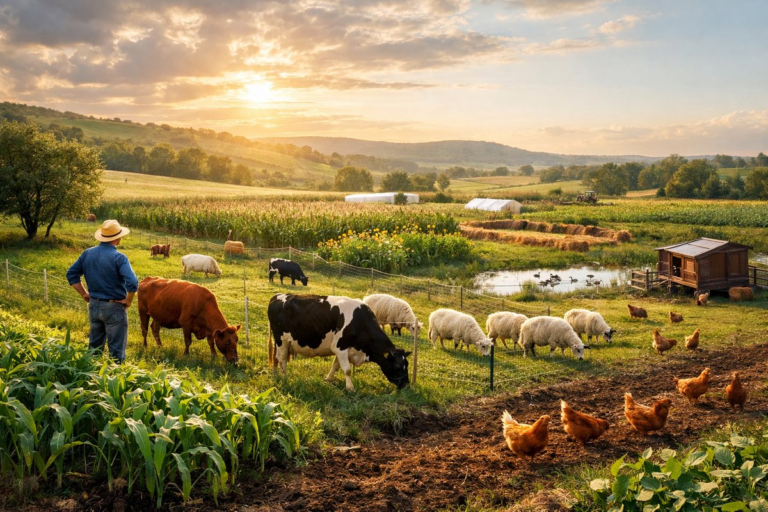
In the rolling grasslands of a Midwestern farming community, a group of ranchers and small-scale farmers have joined forces to test a comprehensive system for sustainable livestock management. Departing from piecemeal tech experiments, the Heartland Collective has rolled out an end-to-end model that weaves together solar-powered water pumps, sensor-driven feeding stations, drone-assisted grazing planning, and mobile shelters designed with animal welfare at the core. What emerges is a blueprint that tackles environmental stewardship, economic resilience, and herd well-being in a single, adaptable framework.
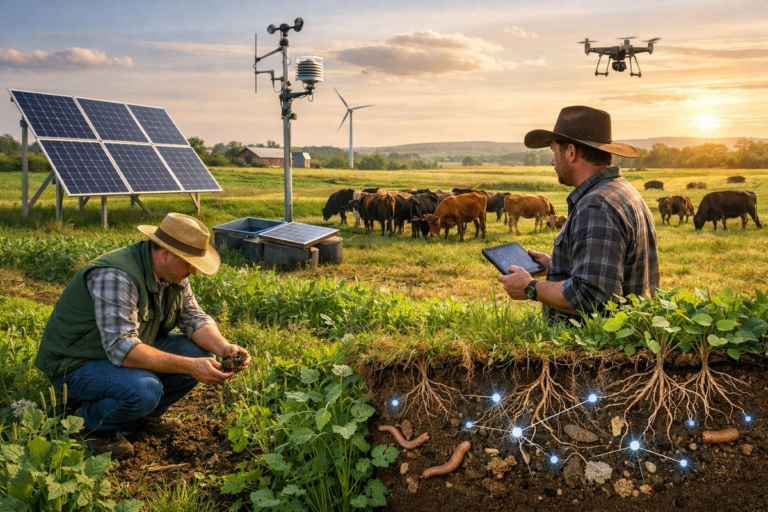
Central to the collective’s approach is a network of off-grid water solutions. Traditional water hauling and static troughs often leave remote paddocks under-served or prone to freeze-ups in shoulder seasons. In response, the project installed solar panels atop modular frames to power submersible pumps that draw from on-farm rainwater catchment ponds. Precision-level sensors relay water levels and pump performance wirelessly to a smartphone dashboard, alerting managers to any hiccups. The system has reduced manual checks by over 60 percent, freeing labor for pasture monitoring and animal care.
Feeding practices have also been overhauled. Instead of fixed hay racks or open-ground feeding, the Heartland Collective deployed sensor-equipped feeders that measure daily intake per animal group. These feeders are stocked with locally milled forage blends, including cover-crop residues and drought-tolerant grasses, cut into standardized bales. Infrared counters detect when a feeder is running low, triggering an automated refill schedule from a central grain room. This precise metering not only trims feed waste by nearly a third but also provides data on individual group needs for targeted supplement programs.
On the pasture side, the collective has embraced a regenerative grazing model that combines rotational paddocks with real-time mapping. Using consumer-grade drones, farm managers capture high-resolution imagery of grass height, soil moisture hotspots and weed incursions. Proprietary planning software ingests these flight logs, overlaying virtual boundaries to guide temporary fencing lines. Herds move every 48 to 72 hours, allowing for rest and regrowth in each cell. Over just one grazing season, soil organic carbon levels climbed measurably in previously overgrazed sections, and botanical surveys recorded a richer mix of forbs and grasses.
Animal welfare is foundational to the design. Mobile shelters-essentially lightweight trailers fitted with natural ventilation, insulated panels, and misting nozzles-can be towed into fresh paddocks. These units shield livestock from heat stress and sudden storms, while motion-activated predator-deterrent lights keep nocturnal threats at bay without harming wildlife. Behavioral sensors track activity patterns, so any signs of lameness or distress trigger text alerts to the farm manager. The net outcome is calmer herds, fewer veterinary interventions, and an uptick in average daily weight gain.
While technological integration is a headline grabber, the Human Relations arm of the initiative emphasizes training and community learning. Monthly workshops bring in regenerative agriculture educators, veterinary technicians, and data analysts to share best practices. Workshops are hands-on-participants calibrate sensors, fly drones, adjust solar arrays, and interpret pasture health indices together. This peer-to-peer model has accelerated adoption and fostered a sense of shared ownership that has proven critical when troubleshooting connectivity dropouts or pump maintenance.
Financially, the collective has leveraged a mix of grant funding, low-interest rural development loans, and equipment-sharing agreements. By pooling resources, individual farmers avoid large capital outlays while still accessing cutting-edge tools. Early cost-benefit analyses point to feed savings of 20 percent, water hauling cost cuts of 40 percent, and a projected two- to three-year payback on key hardware investments. Even more compelling is the emerging carbon credit potential: regenerative grazing practices here are earning soil carbon offsets that could translate into a new revenue stream.
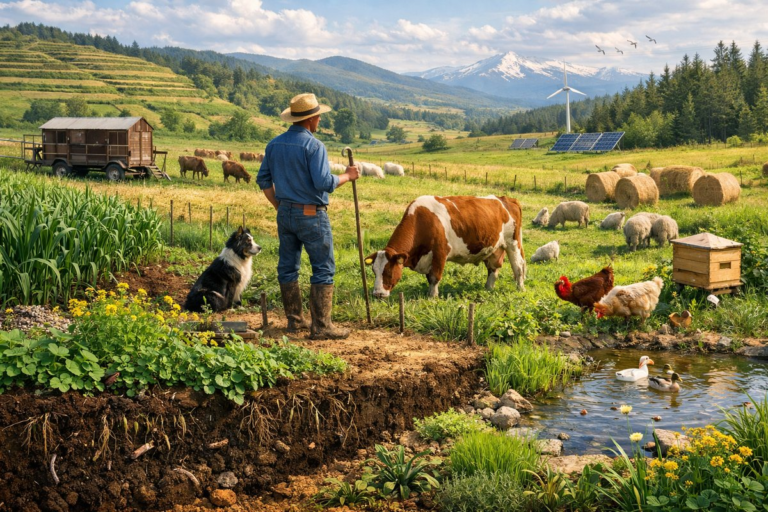
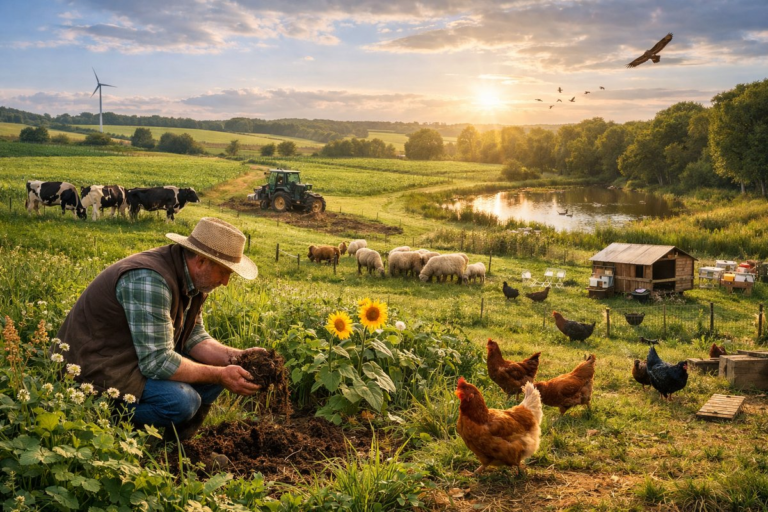
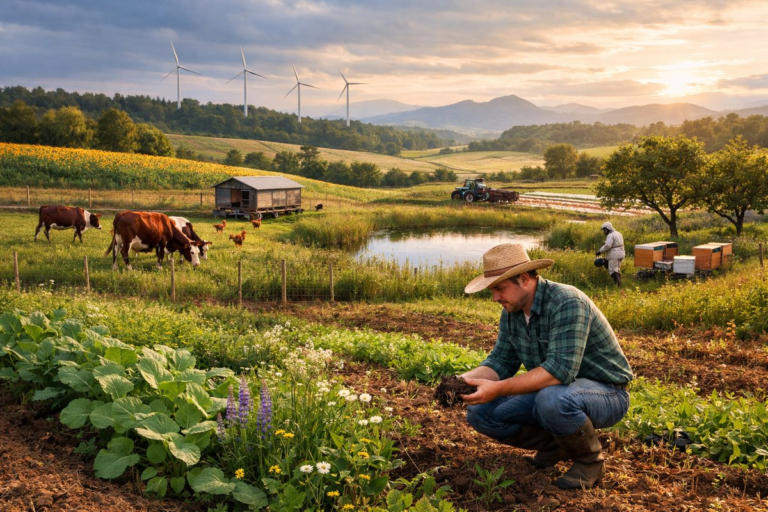
Environmental indicators have also taken a positive turn. Soil tests show improved structure and water infiltration rates. Nearby creeks, once choked with runoff sediment, are seeing clearer flows as grass-covered buffer strips slow erosion. Bird and pollinator counts in fenced riparian strips have increased year over year, signaling a revival of on-farm biodiversity. By taking a systems view-linking water, feed, pasture, animal care and community engagement-the collective is nudging each piece toward a regenerative loop.
Of course, no initiative is without its hurdles. Connectivity remains a patchwork affair in this part of the plains, and reliance on cellular and satellite backhaul can still suffer from dead zones. The collective is evaluating a mesh-network approach that could bolster data uplink in remote paddocks, but that upgrade will add expense and complexity. Maintenance of solar pumps-cleaning panels after dust storms, winterizing pumps-requires disciplined scheduling. The group is exploring local service cooperatives to share that workload.
Beyond technology, the most significant challenge is cultural. Shifting from static fences and stationary waterers to a highly dynamic system demands a new rhythm on the farm. Farmhands need to think like fleet managers, anticipating sunrise and sunset light levels for solar output, analyzing pasture maps before moving gates, and responding to sensor alerts on the go. For long-established operations, it can feel like adopting a whole new occupation. But so far, personal testimonies point to a renewed sense of purpose and pride-ranchers describe it as caring for land and livestock in harmony, rather than battling weather, weeds and weariness.
Looking ahead, the Heartland Collective is opening its doors to neighboring counties and exploring partnerships with food processors that value verifiable sustainability claims. Traceability apps could tie grass-fed labels directly to the farm’s sensor logs and pasture imagery. Meanwhile, youth programs in nearby schools are being invited to visit the site, fly drones, test soil moisture probes and learn about circular resource flows. The hope is to cultivate the next generation of ranchers who see technology not as a threat but as an ally to land stewardship.
In an era marked by climate uncertainty and rising input costs, models like this one offer a tangible way forward for livestock producers. By modularizing components-solar water, sensor feeding, drone mapping, mobile comfort shelters-and linking them through data, the Heartland Collective is demonstrating that sustainability and profitability need not be at odds. Instead, they can be woven together into a resilient fabric that supports people, livestock and the land they call home.
As the pilot expands, other regions will be watching. From semi-arid ranchlands to humid pastures, the demand for adaptable, scalable livestock solutions is growing. If the Heartland Collective’s blueprint holds up under the diversity of soils and climates found across the country, it could serve as a template for a new generation of farm operations-one where innovation, community and regeneration walk hand in hand.