Location
Mount Vernon, WA 98274

Location
Mount Vernon, WA 98274
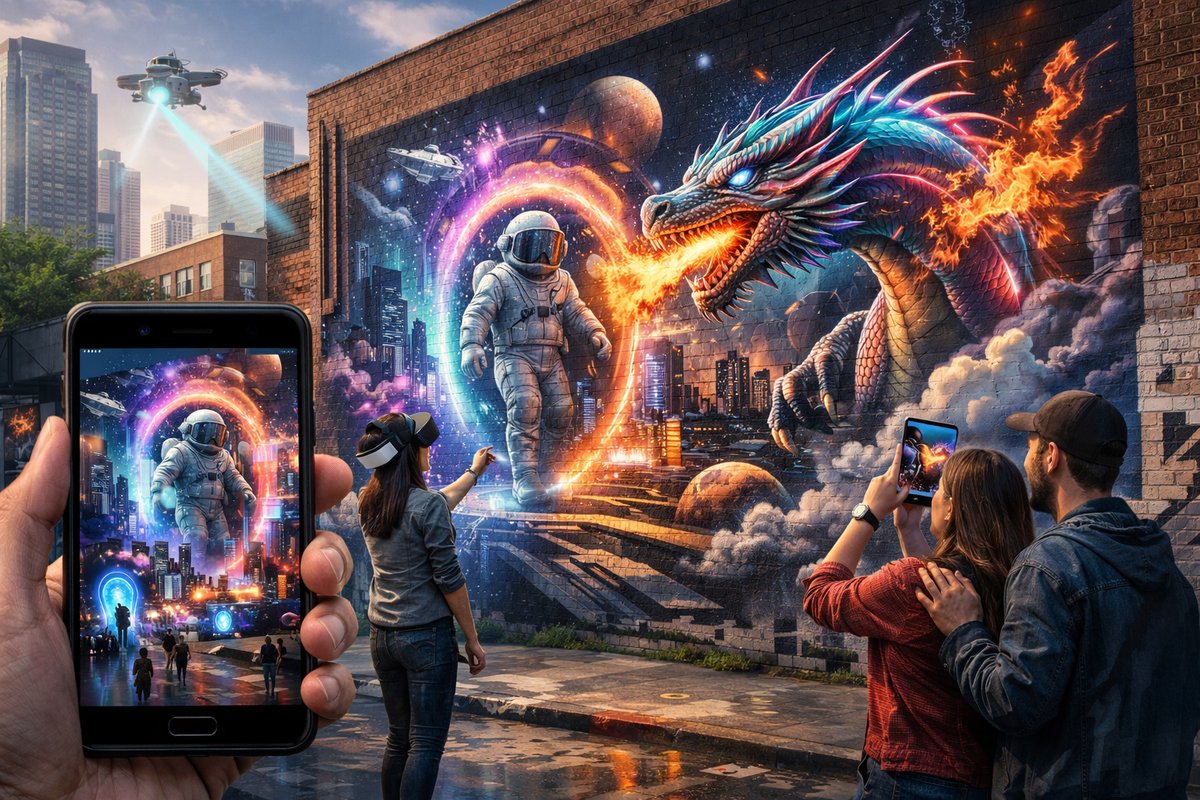
From smartphone screens to city walls, a wave of augmented reality street art is transforming how we experience public spaces. By layering digital visuals onto physical murals, artists are crafting immersive narratives that blend technology with community engagement.
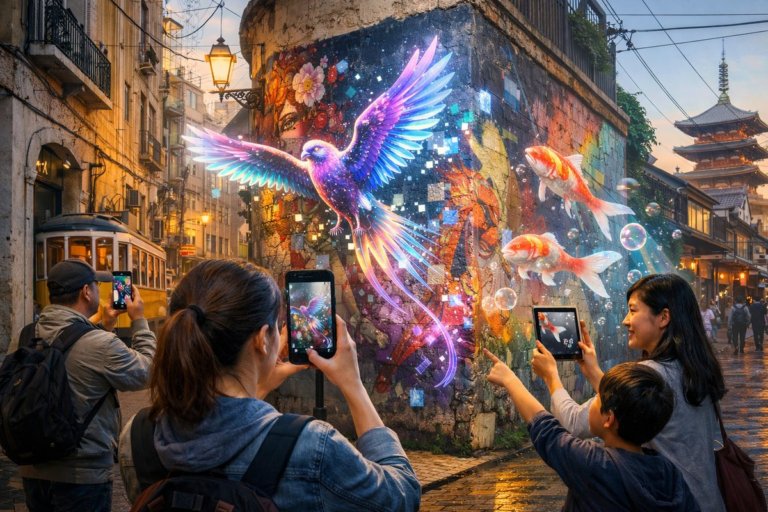
Over the last year, urban landscapes in cities from Tokyo to São Paulo have become ever more dynamic as artists experiment with augmented reality (AR) overlays on traditional murals. Passersby armed with smartphones and tablets can now scan QR codes or open dedicated apps to see creatures emerge from painted walls, animated typography swirl down alleyways, and hidden messages wink into view. This merger of physical pigment and digital code is ushering in a new era of public art-one that is as fleeting as it is engaging, as interactive as it is communal.
At a recent open-air exhibition in a repurposed warehouse district, attendees watched virtual koi fish swirl across a painted brick facade, appearing to dart between bricks and dive beneath imaginary river currents. The AR layer was triggered by an app that used image recognition to anchor the digital elements precisely to the mural’s contours. Spectators took turns holding up smartphones, pointing lenses at the wall while sharing in-the-moment surprises. One minute, a serene mountain landscape hung on the wall; the next, mist rolled in and a mythical dragon spiraled overhead, its scales reflecting shifting daylight.
Artists behind these phantom canvases draw on a mix of 3D modeling software, motion graphics tools, and mobile development platforms. They start with a conventional mural design, sketching concepts on digital drawing tablets before laying down paint. Once the physical artwork is complete, they switch to the digital realm, creating animated layers that respond to day-night cycles, weather data, or audience movement. Some projects even integrate real-time sensor data-wind speed might stir digital tree branches, ambient noise could ripple a virtual pond, or geo-location information might unlock secret visual motifs.
Municipal art councils and cultural nonprofits have been quick to embrace these hybrid projects as a way to activate underused public spaces. Rather than commissioning static sculptures or painted walls alone, city planners are inviting multidisciplinary teams to dream up walk-through experiences that bridge streets and smartphones. The economic spin-off has been notable: cafes near AR mural hotspots report higher foot traffic, while local tour operators now advertise “digital art safaris” that guide visitors to hidden walls, each unlocked by a smartphone scan.
From a sustainability standpoint, AR street murals offer an eco-friendly advantage: the bulk of the visual impact comes from bytes, not brushstrokes. Where previous public art installations might demand annual repainting or weatherproofing, AR overlays can be updated remotely with new animations or color schemes, reducing physical waste. And when regulations or redevelopment require the painted facade to be removed, the digital component can simply be archived, preserving artistic ideas without physical disposal.
Community engagement is perhaps where this form of expression shines brightest. Workshops taught by digital artists have popped up in neighborhoods, teaching residents how to design simple animated stickers that can be applied over existing murals. Local youth programs pair coding lessons with street art projects, allowing teenagers to learn both graphic design and basic programming logic. The result is a growing cohort of citizen-creators who see public art not as a spectator sport but as a collaborative canvas.
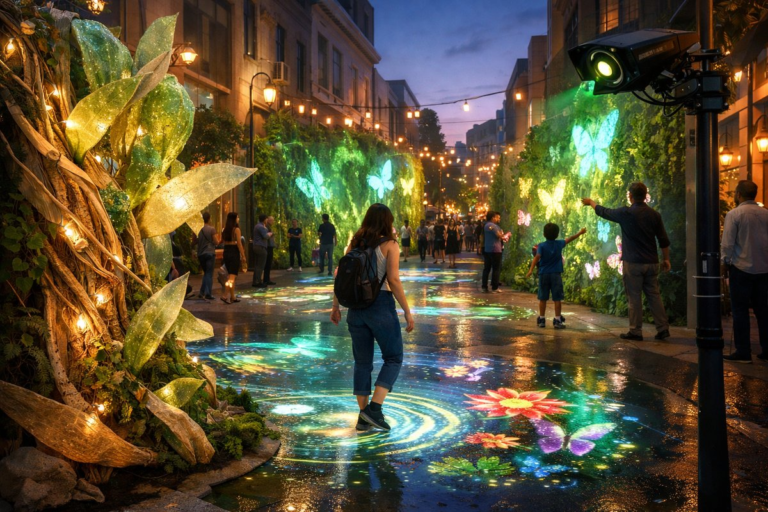
The technology itself is evolving rapidly. While most current projects rely on smartphones, early adopters have begun experimenting with lightweight AR glasses. These wearable viewers can project digital elements directly onto retinal displays, freeing up hands and allowing for more immersive interactions. At a recent pilot in a European city center, volunteers donned glasses to see an AR butterfly garden bloom across a series of walls, each insect reacting to their gaze and drifting away when approached.
Beyond murals, AR is redefining the form of public sculptures as well. Traditional statues and reliefs are given layered digital biographies-viewers can point phones at a bronze figure to summon audio narratives, archival photographs, or speculative animations that envision the subject in motion. Historical monuments gain new relevance as artists weave contextual commentary or poetic vignettes into digital appendages, fostering deeper connections between past and present.
Critics caution that the ephemeral nature of digital art may lead to a loss of cultural memory if proper archiving isn’t prioritized. Unlike pigment on a wall, which can survive decades under protective varnish, digital files require maintenance, software updates, and cloud backup. A glitchy app or a discontinued hosting service can render an entire street gallery invisible overnight. To mitigate these risks, some collectives are publishing open-source repositories of their AR assets, ensuring that artworks remain accessible even as platforms evolve.
The commercial potential of augmented street art is also beginning to emerge. Brands have dipped toes into AR-enhanced murals, commissioning campaigns that reward onlookers with exclusive digital content or local discounts. Yet many artists remain wary of overt commercial tie-ins, stressing that public art should prioritize civic values over product placement. In some pilot cities, guidelines have been drafted to limit sponsored digital overlays to nonintrusive animations, preserving the integrity of urban canvases.
Looking ahead, experts predict a convergence between AR street art and immersive audio design. Imagine donning headphones near a painted wall and hearing hidden layers of sound that correspond to digital visuals-raindrops pattering across a virtual pond, whispered poetry echoing from an animated sculpture, or ambient city noise remixed into a generative soundtrack. Such multisensory installations could deepen the emotional resonance of public art, inviting pedestrians to linger, explore, and reflect.
As with all art forms, the true measure of success will be the connections forged between creators and communities. Augmented reality street murals speak to our desire for surprise and interaction in an increasingly digitized world. They remind us that technology need not isolate; it can remix our shared spaces, spark conversations, and invite collective participation. In this unfolding chapter of urban design, every phone camera becomes a portal, and every wall a potential stage for conjuring wonder.