Location
Mount Vernon, WA 98274

Location
Mount Vernon, WA 98274
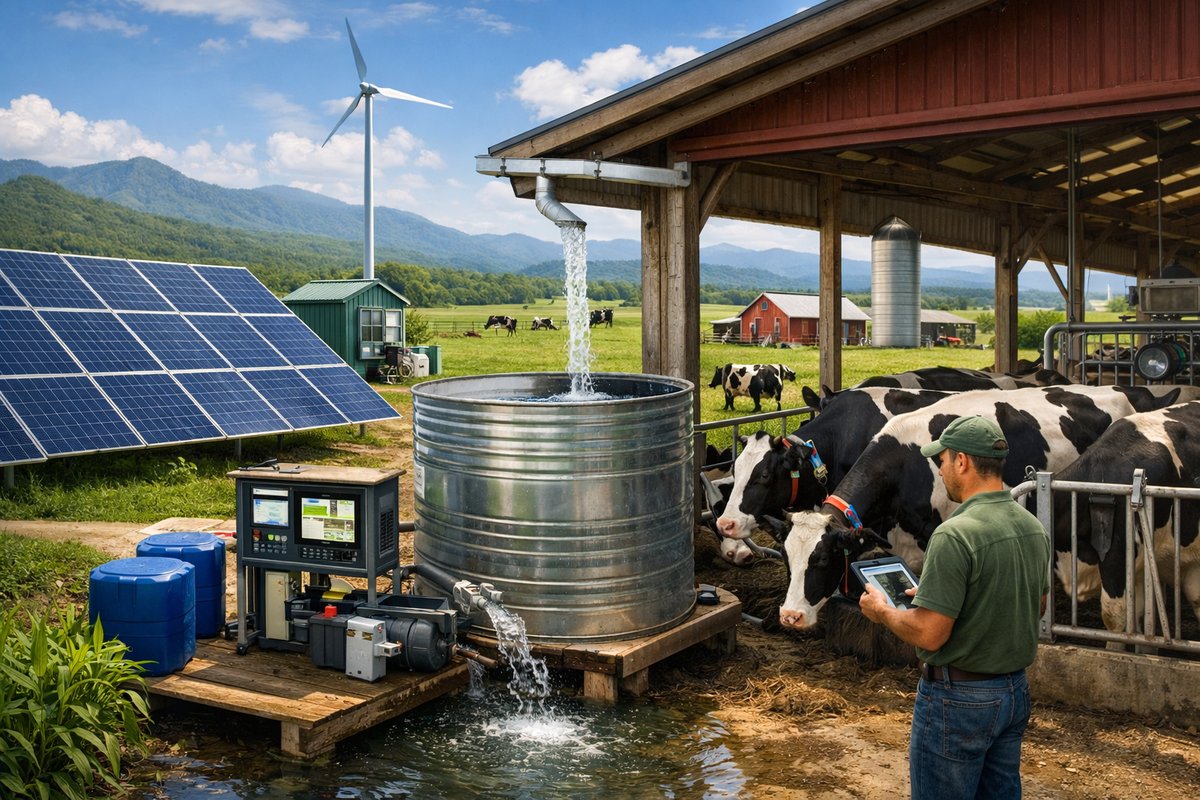
A group of dairy farmers in Vermont's Champlain Valley has unveiled a pilot project that marries solar microgrids, rainwater harvesting and precision livestock technologies. Backed by a USDA grant, this initiative aims to cut energy costs, improve herd welfare and set a model for resilient, low-carbon dairy operations nationwide.
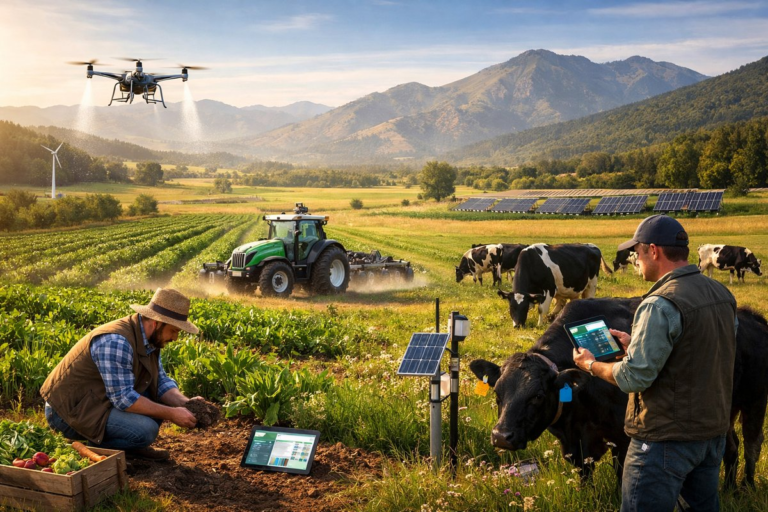
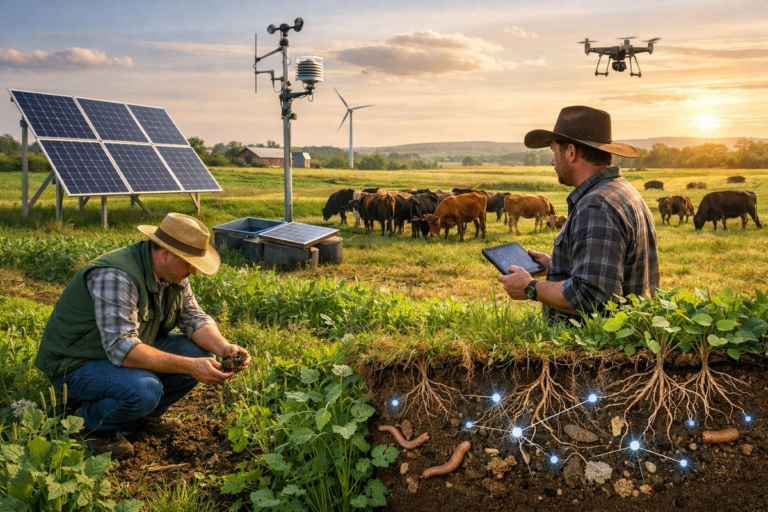
When fifteen small to mid-sized dairy farms across Vermont’s Champlain Valley flipped the switch on a community-scale solar microgrid this spring, they marked a milestone in rural innovation. More than just rooftops dotted with photovoltaic panels, the project weaves together rainwater collection tanks, precision feeding systems and Internet-enabled animal monitors into a single resilient network. Funded through a USDA Rural Energy for America Program (REAP) grant, the pilot illustrates how renewable energy and circular water management can reshape dairy operations without sacrificing productivity or animal welfare.
Historically, farm energy use has been dominated by refrigeration, milking equipment and water pumping-costs that can balloon when electricity prices spike or extreme weather disrupts supply. At the same time, dairy producers wrestle with fresh water availability during heat waves or drought, while struggling to meet stricter environmental regulations on runoff. The Champlain Valley cooperative saw an opportunity: harness ample sunshine, capture rainwater before it becomes runoff, and connect each barn through an off-grid microgrid that balances supply and demand seamlessly.
At the heart of the system are 120 solar panels mounted on four central outbuildings. Rated at roughly 300 watts apiece, they feed into a bank of deep-cycle batteries sized to power automated parlors, bulk water heaters and barn ventilation fans through cloudy stretches. A smart inverter controls charge rates and manages feed-in to the local utility when generation exceeds on-farm use. Technicians from a regional solar installer mapped shading patterns over a year to optimize panel tilt and avoid losses from maple grove canopies.
Water recycling plays an equally vital role. Each participating farm installed a 5,000-gallon rainwater harvesting tank connected to roof gutters by first-flush diverters. Instead of allowing initial rainwater-which can carry bird droppings and roof debris-to fill the tank, the diverters shunt that volume into vegetated swales around the barnyard. Cleaner precipitation then flows into a UV sterilization chamber before entering the pressure system. Farmers now use recycled rainwater for pre-rinse cycles in milking parlors, cool drinking troughs and irrigation of early spring pasture seedlings.
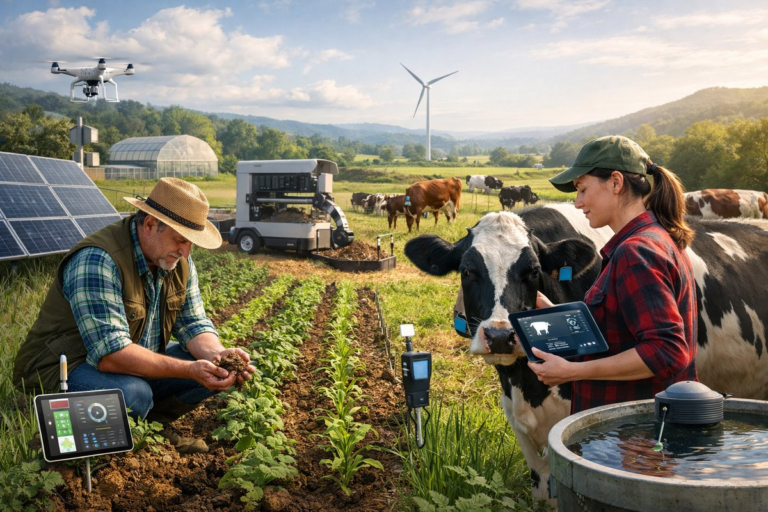
Precision animal care is layered on top of these infrastructure upgrades. Each heifer and milking cow wears an accelerometer-based activity collar that logs steps, rumination patterns and rest periods. Data streams to a central dashboard through a wireless mesh located in each barn. Automatic sorting gates then direct animals showing unusual activity back to holding pens for health checks. Herd managers say this is already cutting clinical mastitis cases by spotting subtle lameness or feeding anomalies days before visible symptoms emerge.
Meanwhile, feed is delivered through a computerized mixer wagon calibrated to each cow’s stage of lactation, weight and body condition score. By blending forage, grain and micronutrients on demand, the system reduces feed waste by an estimated 10 percent and boosts milk solids content. The cooperative negotiates bulk grain purchases and high-moisture bale contracts as one entity, leveraging economies of scale while preserving decision-making at the farm level.
Grazing management has also gone high-tech and regenerative. The group subdivided 200 acres of pasture into movable paddocks serviced by solar electric fence energizers. Farmers carry portable fences and battery packs on utility ATVs, rotating livestock daily to fresh grass while allowing grazed paddocks to rest and recover. Soil tests from the pilot’s first season show a 15-percent rise in organic matter, suggesting improved carbon sequestration and water retention in fields once prone to compaction.
Financially, the upgrades cost about $750,000 in total, with the USDA grant covering 30 percent of capital expenses. Cooperative members are sharing installation labor and maintenance responsibilities through rotating shifts, cutting professional fees by nearly 40 percent. At current energy and feed prices, the farms project payback on the microgrid and water systems in seven years-faster than many conventional equipment leases.
“We wanted to prove you don’t have to be a mega-dairy to go green,” says one fourth-generation farmer whose family operation supplies milk to regional cheesemakers. “This isn’t about branding or tourist photo-ops. It’s about stability-knowing we can keep milking even if the lights go out, and give our cows fresh water and feed exactly when they need it.”
Local agricultural extension agents have taken notice, offering workshops on microgrid maintenance and rainwater system winterization. A nearby community college is planning a certificate program in sustainable livestock systems, using the Champlain Valley farms as hands-on training sites. State policymakers are also weighing incentives that would expand REAP-style grants to cover precision livestock technologies.
Challenges remain: seasonal panel shading from snow buildup, occasional sensor malfunctions in freezing temperatures and the need for thorough technician training on renewable components. But farmers say those hurdles pale compared to benefits in herd health, cost control and environmental stewardship. Insurance providers are even exploring premium discounts for farms that demonstrate lower risk profiles under the new system.
As the second year of operations unfolds, the cooperative is documenting performance metrics in an open-access database. Other regions-from Pacific Northwest cattle ranches to Southeastern goat dairies-are expressing interest in replicating the blueprint. For now, Vermont’s pilot stands as a testament to how community collaboration, technology integration and a focus on circular resource use can carve a path forward for resilient rural agriculture.