Location
Mount Vernon, WA 98274

Location
Mount Vernon, WA 98274
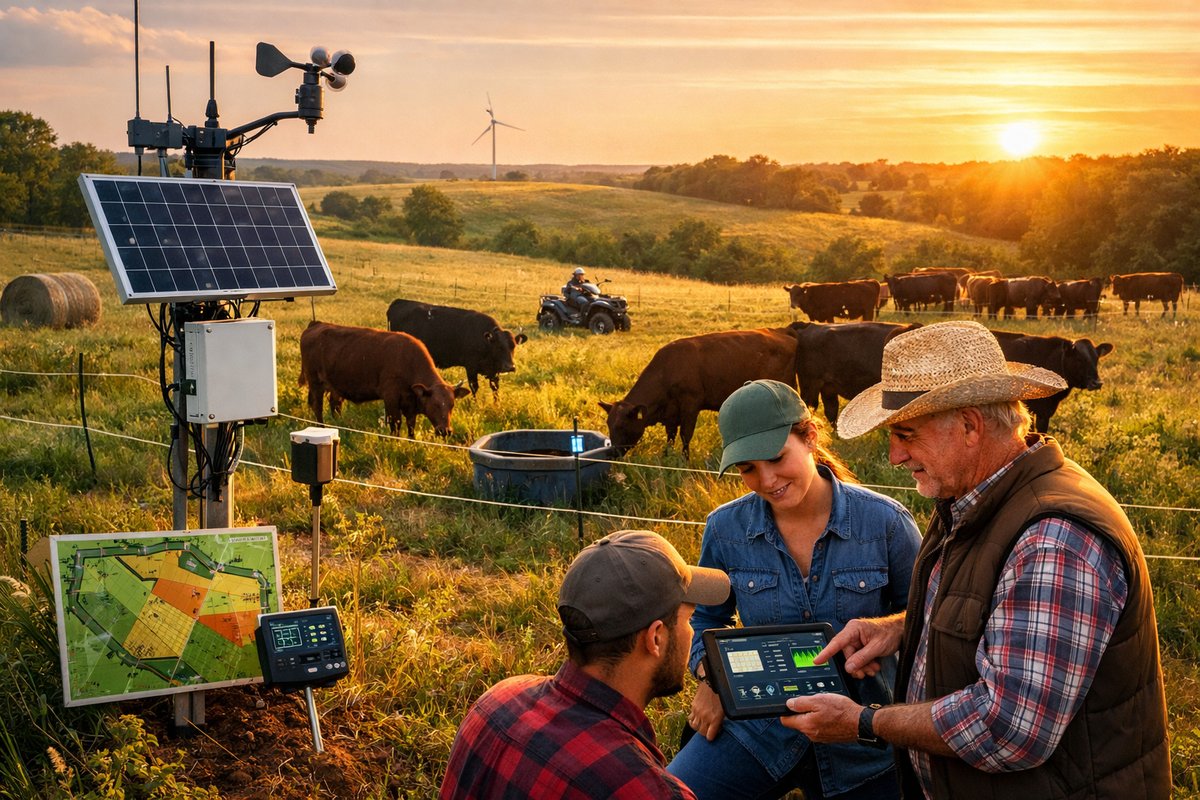
A new coalition of small-scale farmers and ranchers across the Heartland is pioneering an IoT-based model for sustainable livestock management. By integrating solar-powered sensors, rotational grazing planning and data-sharing cooperatives, the project aims to boost soil health, herd welfare and local resilience.
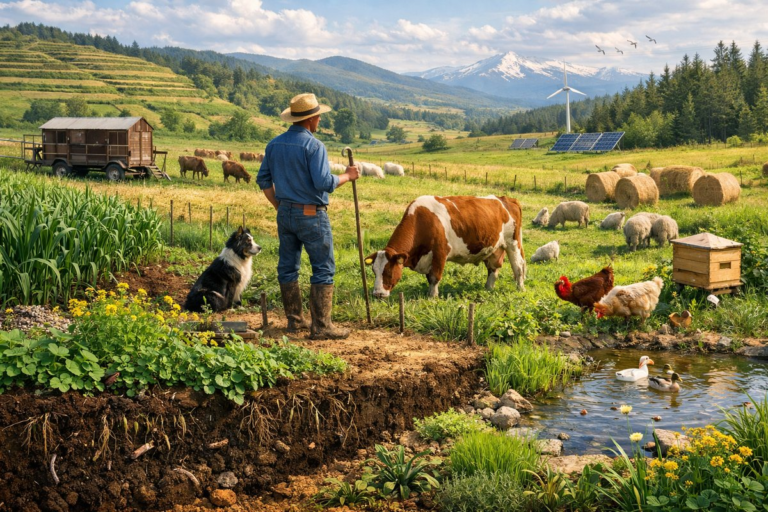
In rolling pastures from eastern Kansas to western Iowa, a network of family-owned farms is pioneering a fresh approach to livestock management that marries time-honored grazing traditions with modern sensor technology. Dubbed the Heartland Pasture Alliance, the cooperative initiative brings together more than two dozen cattle and sheep operations to deploy solar-powered IoT sensors, rotational grazing planning tools and shared data infrastructure. The goal: to regenerate soil health, optimize herd welfare and build a community-driven blueprint for sustainable rural economies.
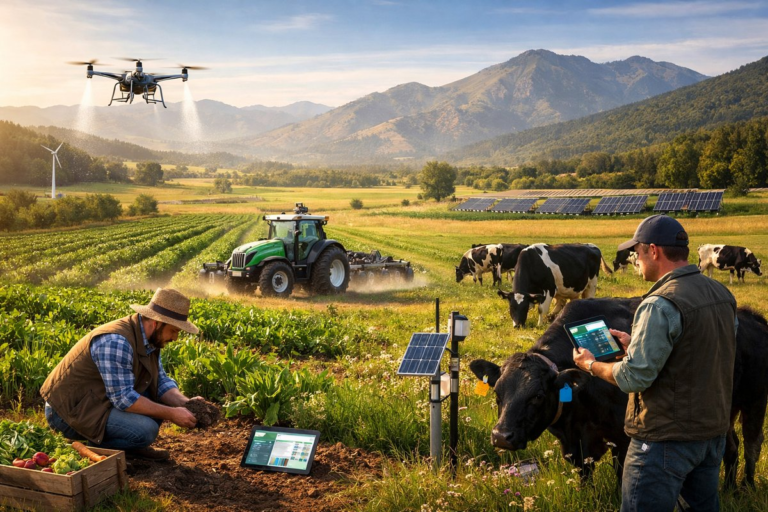
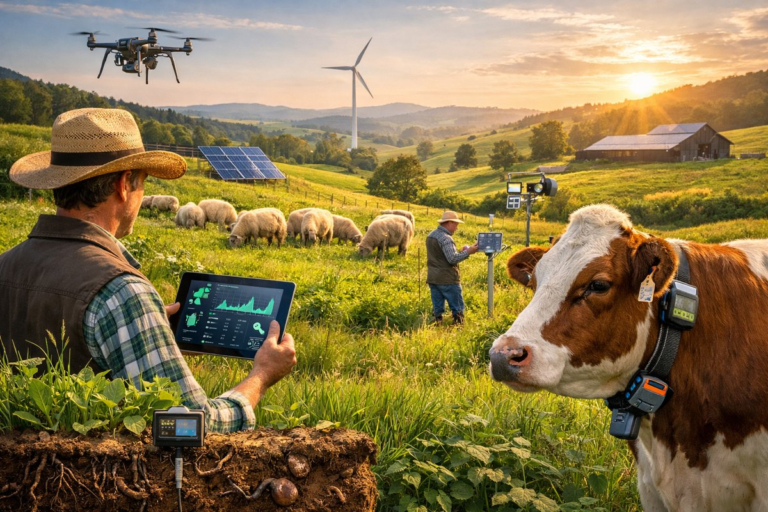
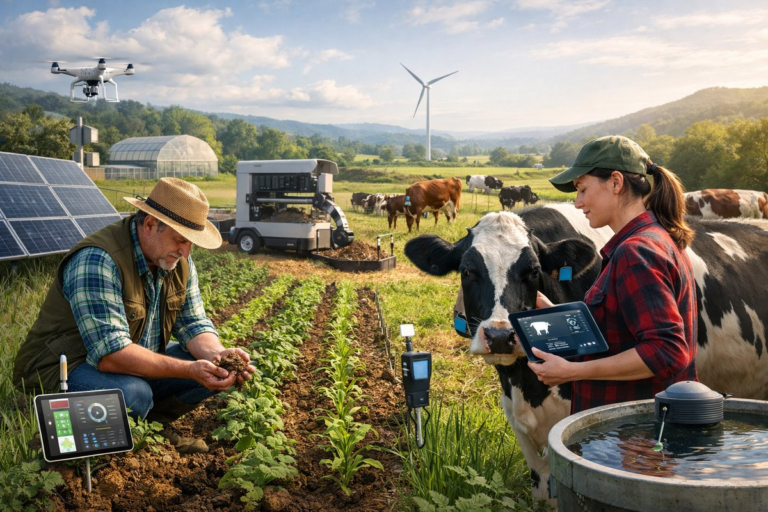
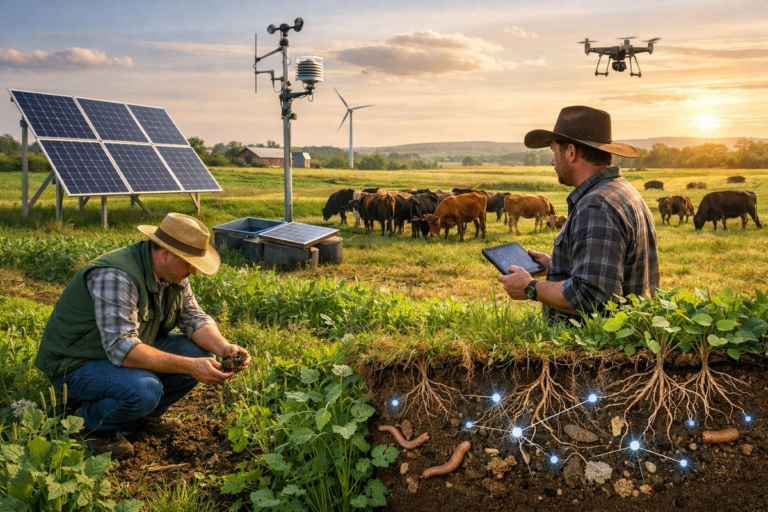
At the heart of the project lies a simple concept: monitor key environmental and animal health metrics in real time, then feed that intelligence into adaptive grazing plans. On each farm, rugged soil moisture sensors are buried at root depth in multiple paddocks to track water retention and soil temperature. Above ground, motion-detecting collars on a subset of animals record activity patterns, rest periods and grazing intensity. Data from both the ground and the herd converge at weatherproof microgateways powered by rooftop solar panels, which forward encrypted packets over a low-power wide-area network.
In practice, the system delivers a continuous feed of insight. When soil moisture in a paddock dips below an optimal threshold, the platform flags an upcoming rest period-ensuring that land can recover before the next grazing rotation. If animals show signs of restlessness or reduced grazing time, the app can alert managers to investigate potential health issues, from parasitic loads to mineral deficiencies. All of this runs through a spartan dashboard built on open-source protocols, giving each producer control over data privacy and the ability to opt into cooperative analytics.
Beyond individual farm benefits, the Alliance is experimenting with aggregated soil health scoring. Participating operations contribute anonymized data to a central hub that tracks organic matter accumulation, moisture retention trends and carbon sequestration estimates across the region. Early results suggest that rotational patterns guided by real-time sensor feedback can increase topsoil organic content by up to 15 percent over two grazing seasons. Farmers are also reporting lower supplemental feed costs, since animals are drawing more nutrition from lush, well-rested pastures.
“Back when I started ranching, we relied on gut feel and simple observation to decide when to move the herd,” says a fifth-generation rancher in Douglas County. “This system gives us the best of both worlds. We still watch the grass and the cows, but now we know exactly what the soil is doing under the surface. It has helped cut water usage, boost forage quality and even improve calving rates.”
A key pillar of the Alliance’s strategy is energy independence. Each monitoring station is equipped with foldable solar arrays, battery storage and a controller designed to withstand wind, rain and extreme temperatures. By avoiding grid reliance, farms can deploy sensors deep in remote corners of grazing blocks without running cables or incurring high utility bills. The panels also feed power to low-voltage water pumps when trough levels fall below a preset point, automatically refilling livestock watering stations on schedule.
The coalition has tapped a local youth entrepreneurship program to train high school students in sensor installation, data analysis and pastoral mapping. Under careful oversight, students learn how to calibrate probes, maintain solar systems and interpret the dashboard’s heat maps. In return, the farms benefit from seasonal labor and fresh perspectives on how to streamline operations. Several participants have gone on to intern at ag-tech start-ups or pursue degrees in environmental science.
While enthusiasm runs high, the Heartland Pasture Alliance acknowledges challenges. Upfront costs for sensors, gateways and solar kits can exceed several thousand dollars per paddock cluster. To mitigate these barriers, the cooperative secured a USDA cost-share grant that covers roughly 40 percent of hardware expenses for qualifying small-scale producers. Additionally, members have formed a tool-lending library so that satellite farms can borrow equipment on a rotating schedule, spreading out capital needs.
Connectivity can be a hurdle on remote ranches with patchy broadband. The Alliance has piloted backup options that include low-earth-orbit satellite links and mesh networks built on open LoRaWAN protocols. This redundancy ensures that critical alerts-like a failed water pump or a sudden drop in soil moisture-reach managers without delay.
Data privacy remains a priority. The platform’s encryption safeguards mean individual farms retain ownership of raw data. Only summary metrics are shared in the cooperative dashboard, preventing any single operation from exposing proprietary grazing strategies. An advisory committee made up of participating farmers reviews all code updates to keep the system transparent and customizable.
Environmental advocates have taken note. Early independent soil tests conducted by a regional land trust show signs of improved water infiltration and microbial diversity in fields managed under the Alliance’s sensor-guided rotations. Local conservation agencies hope to expand the model into neighboring watersheds, where overgrazing has led to soil compaction and run-off concerns.
As spring grass returns, Alliance members are gearing up for a new season of paddock planning. They’re integrating aerial imagery from inexpensive drones to refine pasture maps and identify areas of woody encroachment. The next software update will include machine-learning algorithms that suggest grazing sequences based on historical soil health gains and rainfall forecasts.
For rural communities seeking ways to blend tradition with technology, the Heartland Pasture Alliance offers a compelling case study. Its decentralized, farmer-led framework proves that innovation need not be the domain of large agribusiness alone. Instead, collaborative networks can unlock sustainable practices, lower operating costs and foster deeper connections between land stewards and the landscapes they tend.
As one rancher puts it, “We’re not just raising cattle-we’re building a living system that can thrive for generations. With sensors in the ground and sun on the panels, we’re finally reading the land’s story in real time.”